
Living with allergies can be challenging, especially when your home becomes a source of discomfort. From airborne allergens to skin irritants, it’s crucial to manage symptoms effectively — and medical technology can help. Here are the top 5 must-have medical devices for anyone dealing with allergies at home.
1. HEPA Air Purifiers
Best for: Dust, pollen, pet dander, mold spores
HEPA (High-Efficiency Particulate Air) purifiers are designed to filter out up to 99.97% of airborne particles. These devices are essential for keeping your indoor air clean and breathable. Especially during allergy season, a reliable air purifier can significantly reduce symptoms such as sneezing, congestion, and itchy eyes.
✅ Tip: Choose a purifier with a true HEPA filter and coverage that matches your room size.
2. Humidifiers with Allergen-Control Features
Best for: Dry environments that aggravate respiratory allergies
Dry air can worsen allergy symptoms and irritate the nasal passages. A quality humidifier helps maintain optimal indoor humidity (40–60%) and prevents airborne allergens from spreading easily. Some advanced models include anti-bacterial features and built-in filters.
✅ Tip: Clean the water tank regularly to prevent mold buildup.
3. Allergy-Safe Nebulizers
Best for: Asthma or allergic bronchitis
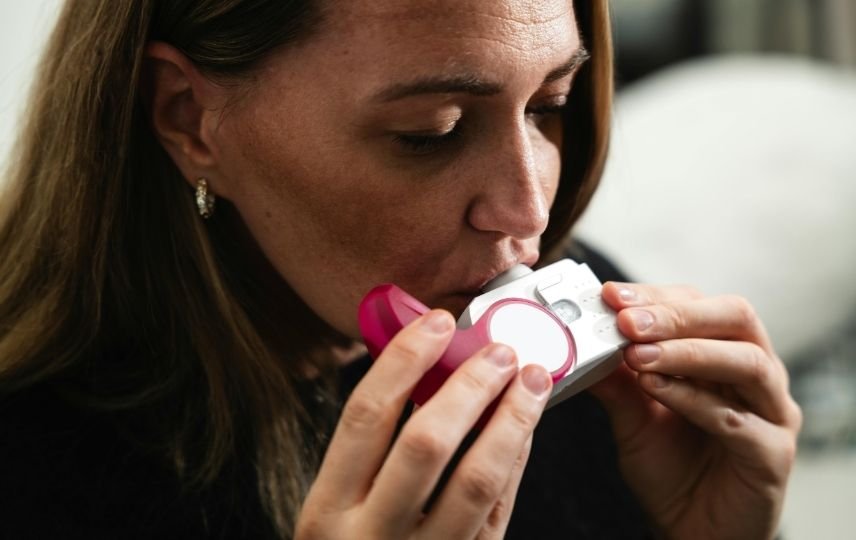
Nebulizers are commonly used by people with respiratory allergies to deliver medication directly to the lungs. Portable, quiet, and easy to use, modern nebulizers are ideal for daily management of allergic asthma or COPD flare-ups triggered by allergens.
✅ Tip: Use sterile saline or prescribed medication only; consult your doctor before use.
4. Digital Thermometers
Best for: Monitoring fever during allergic reactions or secondary infections
Allergy flare-ups can sometimes lead to sinus infections or general inflammation that cause low-grade fevers. Having a fast, contactless digital thermometer at home helps you monitor changes and take quick action if symptoms worsen.
✅ Tip: Infrared forehead thermometers are ideal for non-invasive temperature checks.
5. Anti-Allergy Mattress & Pillow Covers with Monitoring Sensors
Best for: Dust mite allergies and sleep-related issues
Dust mites thrive in bedding. Anti-allergy mattress and pillow covers act as a barrier, preventing allergens from triggering nighttime symptoms. Some new models come with smart sensors that monitor sleep quality and humidity levels in your bedroom.
✅ Tip: Combine with regular washing and a HEPA vacuum for best results.
💡 Conclusion
Managing allergies at home goes beyond just medications — it’s about creating an environment that supports your well-being. By investing in the right medical devices, you can reduce your exposure to allergens, improve your quality of sleep, and breathe easier every day.
Need high-quality allergy-friendly medical devices for your home or clinic?
ivdist.com offers certified and trusted solutions tailored for sensitive needs.

Leave a comment