

Allergies, ranging from mild hay fever to life-threatening anaphylaxis, are a growing global health concern. Accurate diagnosis and continuous monitoring are crucial for effective allergy management. In recent years, technological advancements in medical devices have significantly improved both the accuracy of diagnostic tools and the efficiency of long-term symptom monitoring. This article explores the critical role medical devices play in allergy diagnosis and management, and how they contribute to improved patient outcomes.
The Evolution of Allergy Diagnostics
Traditionally, allergy diagnosis relied heavily on patient history and skin tests. While these remain foundational, the evolution of medical technology has introduced more precise and less invasive tools.
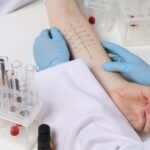
Skin Prick Testing (SPT)
Still widely used, SPT has evolved with the development of standardized devices such as single-use lancets and allergen extract pens. These reduce the risk of cross-contamination and improve consistency in results.
In Vitro Diagnostics (IVD)
IVD tools, such as ImmunoCAP and ELISA-based assays, allow for the measurement of allergen-specific IgE levels in the blood. These automated systems provide quantitative data, making it easier for allergists to interpret complex cases and monitor progress over time.
Molecular Allergy Diagnostics
Advanced technologies now enable component-resolved diagnostics (CRD), which identify specific allergenic proteins rather than whole extracts. CRD is especially useful in differentiating cross-reactivities and tailoring immunotherapy treatments.
Respiratory Allergy Assessment Tools
Spirometry
Spirometers measure lung function and are essential in diagnosing allergic asthma. They help assess the severity of airway obstruction and the efficacy of treatments.
FeNO Monitors
Fractional exhaled nitric oxide (FeNO) testing is a non-invasive method to detect eosinophilic inflammation, common in allergic asthma. Portable FeNO devices now enable monitoring both in clinics and at home.
Peak Flow Meters
These inexpensive and portable devices are useful for daily monitoring of airway function, helping patients and doctors detect early signs of asthma exacerbation.
Skin and Food Allergy Monitoring Devices
Patch Testing Devices
Contact dermatitis caused by allergens in cosmetics, metals, and chemicals is commonly diagnosed through patch testing. Modern patch test kits are more standardized and easier to interpret, thanks to digital imaging and AI-based scoring systems.
Oral Food Challenge Monitors
In clinical settings, supervised food challenges are essential for diagnosing food allergies. Innovations in biosensor technology allow real-time monitoring of vital signs during these tests, enhancing safety.
Portable Anaphylaxis Detection Tools
Wearable devices capable of detecting physiological changes indicative of anaphylaxis are under development. These could provide early warnings and improve emergency response.
Digital Tools and Mobile Integration
Symptom Tracking Apps
Apps like AllergyPal, AsthmaMD, and others help patients log symptoms, medications, and exposure triggers. When synced with wearable devices, these apps provide comprehensive insights into allergy patterns.
Smart Inhalers and Connected Devices
Devices equipped with Bluetooth can track medication usage and send reminders. Some models also monitor air quality, temperature, and humidity—factors known to influence allergic reactions.
Telehealth Integration
Medical devices now integrate with telemedicine platforms, allowing allergists to remotely assess patient data and make timely adjustments to treatment plans.
Benefits of Medical Devices in Allergy Care
- Increased Diagnostic Accuracy: Quantitative and standardized tools reduce human error and subjectivity.
- Personalized Treatment: Real-time data allows for tailored medication and immunotherapy strategies.
- Enhanced Monitoring: Continuous monitoring tools help detect flare-ups early, reducing emergency room visits.
- Improved Patient Engagement: Interactive devices encourage adherence and educate patients about their conditions.
- Data-Driven Decisions: Aggregated data helps physicians identify trends and optimize long-term management.
Future Trends in Allergy Diagnostics
- AI-Powered Diagnostic Systems: Machine learning algorithms are being developed to interpret test results more accurately and predict allergic responses.
- Lab-on-a-Chip Technologies: Portable devices capable of running multiple allergy tests from a single drop of blood are on the horizon.
- Genetic Testing Integration: Understanding genetic predisposition may soon become a standard part of allergy assessment.
Conclusion
Medical devices have revolutionized allergy care by making diagnostics more precise and monitoring more effective. With ongoing advancements in technology, the role of these devices will only expand—offering hope for better allergy control and improved quality of life for patients. Clinics and healthcare providers that adopt and integrate these tools into their practice are better equipped to deliver high-quality, personalized allergy care.


Leave a comment